
Top 3 Most Photorealistic AI Video Generators in 2026 (Zero Uncanny Valley)
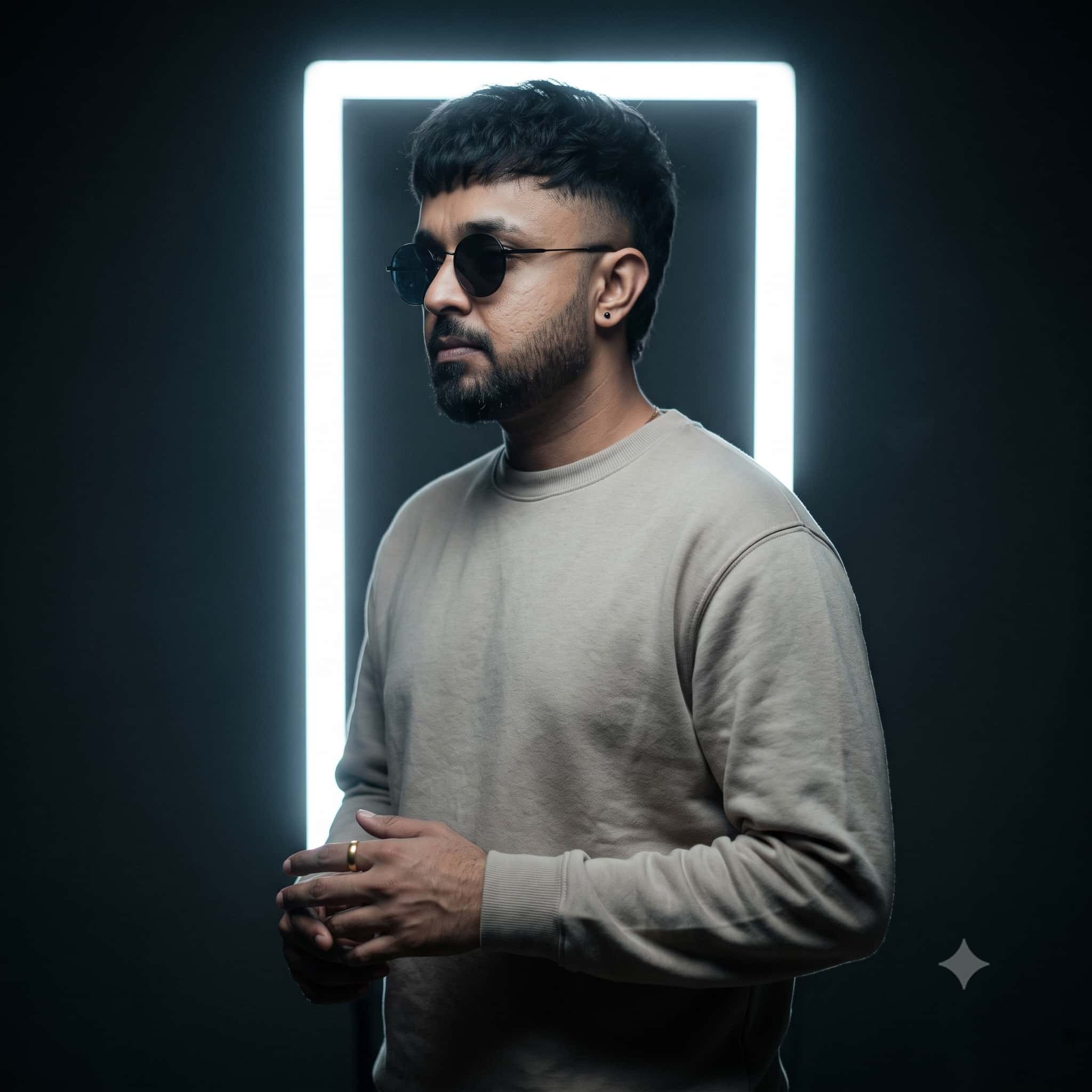
For years, generative AI video suffered from the dreaded "Uncanny Valley": faces that melted mid-motion, dead-eyed stares, plastic mannequin skin, and hands that sprouted extra fingers the moment they moved.
In 2026, three flagship generative models have decisively broken through this barrier. By integrating physical lighting simulation, biomechanical motion models, and optical camera physics, these tools produce video sequences that fool even veteran cinematographers. Below is our in-depth analysis of the top 3 most photorealistic AI video generators in 2026.
🏆 The Photorealism Titans Compared
| Model Name | Facial Fidelity Rating | Physics & Fluid Simulation | Free Tier Access |
|---|---|---|---|
| 1. Hailuo AI (MiniMax Video-01) | 9.9 / 10 (Undisputed #1) | Organic clothing folds & wind hair physics | 100% Free / Generous daily allowance |
| 2. Google Flow & VideoFX (Veo) | 9.6 / 10 | 9.9 / 10 (World-Class Fluid Dynamics) | 100% Free via Google Labs |
| 3. Kling AI (Kuaishou) | 9.4 / 10 | 9.5 / 10 (High-Speed Motion & Cloth) | 66 Free Credits every 24 hours |
1. Hailuo AI (MiniMax Video-01): The Human Realism Master
Developed by Shanghai-based MiniMax, Hailuo AI is celebrated worldwide because it understands human facial biomechanics. While earlier diffusion engines stretched faces like rubber, Hailuo's Video-01 preserves consistent dental structure when characters speak, models natural micro-crinkles around the eyes during smiles, and computes genuine subsurface scattering on cheekbones and ears.
Official Web Portal: hailuoai.video
Free Quota: Completely free standard queue with generous daily generation credits.
Photorealism Strength: Natural eye hydration reflections, organic blinking cadence, and unretouched skin pores.
Intimate close-up portrait of a 27-year-old French woman sitting near a sunlit cafe window in Paris, soft morning sunlight illuminating delicate peach fuzz and natural skin pores on her cheeks, subtle authentic smile forming, eyes reflecting soft window catchlights, gentle wind moving loose strands of chestnut hair, 85mm f/1.4 lens, 4k cinema quality.
2. Google Flow (Google Veo & VideoFX): Optical Physics & 60FPS
Google DeepMind's Veo powers Google Flow and VideoFX. What gives Google Veo its breathtaking realism is its comprehension of real-world physics: liquid splashing with viscous accuracy, atmospheric fog rolling through tree canopies, and sunlight refracting through glassware. Furthermore, Google Flow outputs at native 60 frames per second, eliminating the stutter common in other generators.
Official Web Portal: labs.google/fx/tools/video-fx
Free Quota: 100% Free with Google Labs sign-in.
Photorealism Strength: Anamorphic lens flare physics, volumetric god rays, and hyper-realistic fluid simulations.
Slow-motion macro shot of an emerald ocean wave crashing over a black basalt volcanic rock at sunset, crystal-clear water droplets suspended in golden sunlight, fine sea spray drifting across the lens, realistic liquid surface tension and foam dispersion, 60fps cinematic 4k.
3. Kling AI: Hollywood Camera Tracking & Image-to-Video Precision
Kling AI bridges the gap between static art and living cinema. Its Image-to-Video (I2V) pipeline takes an ultra-detailed base image and computes natural movement without altering the subject's identity or costume texture. Paired with its directional camera controls (Pan, Tilt, Zoom, Orbit), Kling produces tracking shots that look like they were filmed using a professional mechanical gimbal rig.
Official Web Portal: klingai.com
Free Quota: 66 daily credits refilled every 24 hours.
Photorealism Strength: Consistent facial geometry across 10 seconds, realistic cloth simulations, and mechanical motion stability.
[Camera: Slow 360-degree rotational orbit]. Macro commercial shot of a luxury rose gold chronometer watch submerged in clear bubbling mineral water, delicate air bubbles rising over the sapphire crystal glass, dramatic studio rim light highlighting polished bevels, hyper-realistic fluid refraction, 1080p 30fps.
Frequently Asked Questions (FAQ)
Why does Image-to-Video look more photorealistic than Text-to-Video?
Diffusion models generate higher fidelity images in a single frozen frame than when calculating temporal consistency across 150 consecutive video frames. By feeding a flawless 4K photograph into an I2V engine, the video model only has to compute motion vectors rather than inventing facial anatomy from scratch.
What are the best camera prompt keywords for realistic lighting?
Use physical optics terms like: "85mm f/1.4 prime lens, shallow depth of field, natural subsurface scattering, volumetric god rays, Rembrandt directional side-lighting, and Kodak Portra 400 color science". Avoid generic buzzwords like "hyperrealistic" or "8K".
Related Photorealism & Video Guides
Craft Hollywood Photorealistic Prompts With 1 Click
Use our Free Prompt Builder to dial in optical camera bodies, prime lenses, film stocks, and lighting setups with zero guesswork.
Open AI Prompt Builder Free